from $1.325,00
Check Availability

Everest Base Camp Trek

Excellent
Duration

11N 12 D

Tour Type

Specific Tour

Group Size

20 people

Languages

___

The 12-day Everest Base Camp Trek is a fast-paced, high-altitude adventure in Nepal’s Khumbu region, specifically designed for trekkers with limited time. This moderately paced itinerary offers a blend of breathtaking Himalayan scenery, an immersive experience in Sherpa culture, and the rewarding achievement of reaching the base of the world’s tallest mountain.

Price and Availability


Book Now

Highlights

  • Highlights of the Everest Base Camp Trek
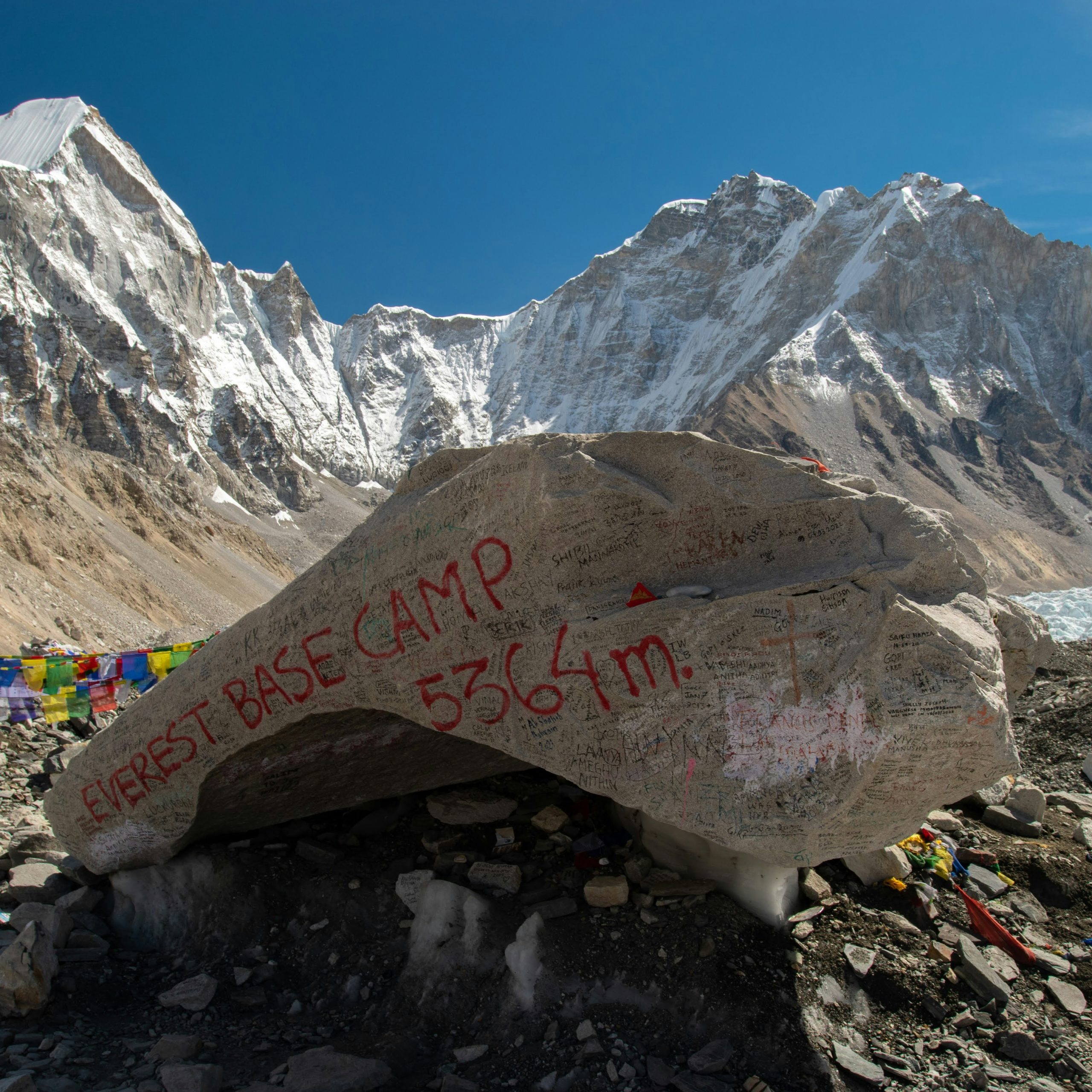
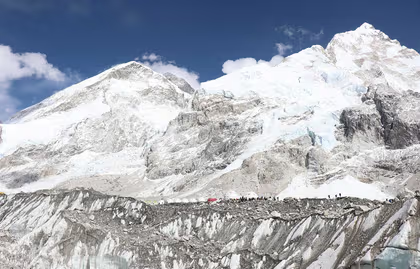
  • Stand at Everest Base Camp (5,364 m) – Experience the pinnacle of high-altitude trekking by setting foot at the legendary base camp of the world’s tallest mountain.
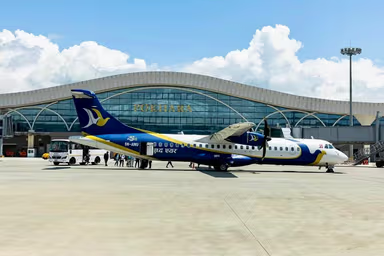
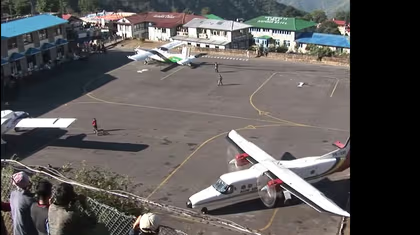
  • Scenic Mountain Flight to Lukla – Embark on a thrilling flight into Tenzing-Hillary Airport, widely regarded as one of the most dramatic and adventurous airstrips on the planet.
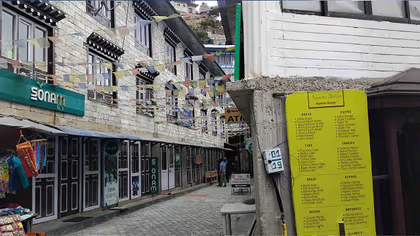
  • Explore Namche Bazaar – Discover the vibrant Sherpa capital, a bustling trading post and cultural gateway that serves as the heart of the Khumbu region.
  • Panoramic Views from Hotel Everest View – Enjoy unparalleled mountain vistas from one of the world’s highest-altitude hotels, offering a truly unique perspective on the Himalayas.
  • Diverse Ecological Landscapes – Traverse a remarkable range of environments, from lush rhododendron forests and deep river gorges to barren alpine deserts and glacial moraines.
  • Breathtaking Himalayan Panoramas – Witness spectacular 360° views of iconic peaks, including Nuptse, Lhotse, Pumori, Ama Dablam, and Everest, alongside the majestic Khumbu Glacier and Icefall.
  • Sacred Buddhist Monasteries – Enrich your journey with visits to significant monastic sites, including Phakding, Khumjung, Tengboche, and Pangboche monasteries, offering insight into the region’s spiritual heritage.
  • Authentic Teahouse Accommodation – Stay in traditional Himalayan teahouses and savor locally inspired cuisine, blending comfort with cultural immersion.
  • Optimized Acclimatization Schedule – Benefit from a thoughtfully designed itinerary that incorporates strategic rest days to prioritize safety, health, and successful altitude adaptation.
  • Sagarmatha National Park – A UNESCO World Heritage Site – Trek through a protected area renowned for its rich biodiversity, home to rare species such as the snow leopard, red panda, Himalayan tahr, musk deer, impeyan pheasant, bearded vulture, and alpine chough.
  • Iconic Sunrise Views – Witness the sun rise over Everest from Kala Patthar (5,545 m), the trek’s most celebrated viewpoint, or ascend Nangkartshang Peak (5,083 m) for equally spectacular alpine scenery.
  • A Personal Triumph and Lasting Memories – Achieve a profound personal milestone and forge unforgettable memories as you complete one of the world’s most iconic trekking expeditions.

Day 1 Kathmandu to Lukla (2,860m/ 9,383ft) flight and trek to Phakding (2,610m/ 8,562ft): 35 minutes flight and 3 to 4 hours trek

The 12-day Everest Base Camp Trek commences with a scenic flight from Kathmandu (or, during peak seasons, an early morning drive to Manthali Airport in Ramechhap followed by a 20-minute flight) to the renowned Tenzing-Hillary Airport in Lukla. From Lukla, the trail descends gently through coniferous forests, past mani stones and chortens, toward the Dudh Koshi River. The route features multiple suspension bridges—iconic landmarks of the Khumbu region—and passes through settlements such as Chheplung, Thado Koshi, and ultimately Phakding Village. Phakding offers comfortable teahouse accommodation, riverside tranquility, and the option to visit Rimishung Monastery for a short acclimatization walk, providing an ideal introduction to the trekking rhythm.

Note on Flight Routing: During peak seasons (spring and autumn), flights may be rerouted via Manthali Airport in Ramechhap to manage air traffic and minimize delays. This requires an early morning departure (approx. 2:00–3:00 AM) and a 4–5 hour drive to Manthali, or an overnight stay in Ramechhap prior to the flight.

Helicopter Flying Option

As an alternative to fixed-wing flights, trekkers on the 12-day Everest Base Camp Trek may opt for a helicopter transfer from Kathmandu to Lukla. This option offers greater comfort, flexibility, and peace of mind, with direct, time-saving flights that are not subject to seasonal re-routing via Manthali Airport. The approximate cost is US500perpersonduringpeakseasons(springandautumn);however,afterdeductingtheUS 200 refund for the unused fixed-wing ticket, the net additional cost is only US300.EcoHolidaysNepalensurestransparentpricingwithaclearrefundpolicy.Duringtheoff−season,costsvarybasedongroupsize,whileprivatechartersrangefromUS 2,500 to US$ 3,000.

  • Max. Elevation:2860
  • Duration:35 minutes(flight) and 3 to 4 hours(trek)
  • Distance:138km(flight) and 8km(trek)

Day2 Phakding to Namche (3,440m/ 11,286ft) trek: 5 to 6 hours

From Phakding, the trail follows the Dudh Koshi River through pine and cedar forests, passing Tok Tok Village with views of Thamserku, and continuing to Benkar Village—known for its terraced fields and waterfalls. After crossing a suspension bridge, trekkers reach Monjo Village, the entry point to Sagarmatha National Park, where permits are checked. The route then descends to Jorsalle Village, a popular lunch stop, before the final steep ascent to Namche Bazaar. This climb, known as Namche Ukalo, zigzags through pine and rhododendron forests and features a clearing that offers the first glimpse of Mount Everest. Upon reaching the ridge, trekkers are welcomed by Namche Bazaar—the vibrant Sherpa capital and cultural hub of the Khumbu Valley, lined with lodges, bakeries, gear shops, and cafes. More than just a resting point, Namche serves as a strategic acclimatization hub, marking a significant milestone on the trek.                

  • Max. Elevation:3440
  • Duration:5 to 6 hours
  • Distance:12.3km


Day 3 Acclimatization and exploration day

Day 3 of the 12-day Everest Base Camp Trek is dedicated to acclimatization at Namche Bazaar (3,440 m), strategically designed to help trekkers adjust to thinning air. Rather than remaining idle, the day involves "active rest"—a key principle in high-altitude trekking—where trekkers ascend to higher elevations before descending back to Namche. The recommended route leads to the Everest View Hotel (3,880 m), offering exceptional panoramic views of Everest, Lhotse, Ama Dablam, Kangtega, and Thamserku on clear days. The hike also passes the Syangboche Airstrip and can be extended to Khumjung and Khunde villages. Khumjung features a famed monastery said to house a Yeti relic, while Khunde is home to the Hillary Hospital, founded by Sir Edmund Hillary's trust. After descending to Namche, trekkers can enjoy the remainder of the day exploring local cafes, dining, or socializing with fellow trekkers, fully immersing themselves in the rhythm of mountain life.               Max. Elevation:3440

Day 4 Namche to Tengboche (3,867m/ 12,687ft) trek: 5 to 6 hours

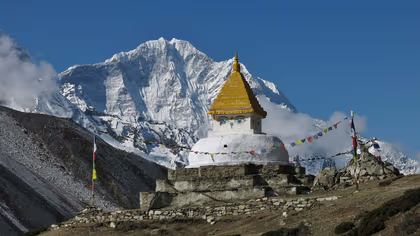
Departing Namche after breakfast, the trail follows a scenic mountainside route high above the Dudh Koshi River, offering continuous vistas of the eastern Himalayas with Ama Dablam dominating the skyline. The path leads to Kyangjuma, a small Sherpa village and trail junction connecting to Gokyo Lake and Everest Base Camp. From there, the route descends through rhododendron and pine forests to Phunki Tenga, a riverside hamlet popular for lunch, featuring water-driven prayer wheels. A steady climb through forested ridges then ascends to Tengboche, a high-altitude Sherpa settlement housing the largest and most spiritually significant monastery in the Khumbu region. The golden-roofed Tengboche Monastery, often filled with chanting monks and incense, offers a profound sense of tranquility. Behind the monastery, breathtaking vistas of Everest, Ama Dablam, and Lhotse create an unforgettable backdrop. Depending on timing, trekkers may also have the opportunity to witness a traditional puja ceremony.

  • Max. Elevation:3867
  • Duration:5 to 6 hours
  • Distance:10.7km

Day 5 Tengboche to Dingboche (4,410m/ 14,468ft): 5 to 6 hours

The day's journey begins with a descent through rhododendron forest to the peaceful village of Debuche, a lesser-known spiritual settlement with a few teahouses and nunneries. Crossing a suspension bridge over the Imja Khola, trekkers are treated to increasingly close views of Ama Dablam. The trail then climbs through Milingo Village to Pangboche, one of the oldest Sherpa settlements in the Khumbu region, where a short detour to the 17th-century Pangboche Monastery is possible. Beyond Pangboche, the landscape transitions into high-altitude desert as trees give way to wind-swept grasses and shrubs, with colder, thinner air. Passing through Shomare—a seasonal yak-herding settlement—and Orsho Village, where the trail splits toward Pheriche or Dingboche, the route crosses a wooden bridge over a glacial stream before making the final push to Dingboche. This high-altitude village, set beneath the south face of Lhotse, is characterized by dry stone walls protecting barley and buckwheat fields from harsh winds. The day concludes with stunning panoramic views of Island Peak, Ama Dablam, and the Imja Valley.

  • Max. Elevation:4410
  • Duration:5 to 6 hours
  • Distance:9.8km

Day 6 Acclimatization and exploration day at Dingboche

Day 6 of the 12-day Everest Base Camp Trek is dedicated to active acclimatization at Dingboche, a critical stop for adjusting to the increasing altitude. Trekkers typically embark on a half-day hike to Nangkartshang Ridge (5,121 m), which offers sweeping panoramic views of Makalu, Taboche, Cholaste, and Ama Dablam. The landscape is stark and lunar, with sharp, cold winds, yet the experience provides a profound sense of perspective—both geographical and personal. After the hike, trekkers descend to Dingboche for lunch and rest, allowing the body to continue adapting to extreme elevations. The remainder of the day is best spent hydrating, resting, and socializing with fellow trekkers heading toward Everest Base Camp.   Max. Elevation:4410

Day 7 Dingboche to Lobuche (4,910m/ 16,108ft): 5 to 6 hours

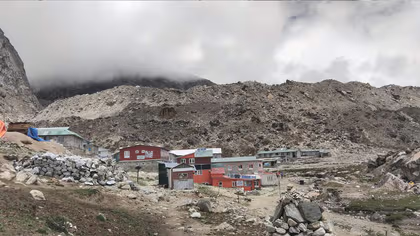
Departing Dingboche, the trail gradually ascends across windswept plains to Dughla Village (Thukla), a small cluster of teahouses at the base of the Khumbu Glacier's terminal moraine. After a brief rest, trekkers tackle the steep climb to Thukla Pass, where a windswept plateau features a stone memorial honoring fallen climbers and Sherpa guides. The route then continues through a stark glacial valley to Lobuche, a small settlement beneath the imposing face of Lobuche Peak. At nearly 5,000 meters, the thinning air makes each breath more effortful and every step more deliberate. Nights are cold and restless, as trekkers are now just one day away from Everest Base Camp, with the extreme altitude intensifying the physical and mental challenge.  

  • Max. Elevation:4910
  • Duration:5 to 6 hours
  • Distance:8.8km

Day 8 Lobuche to Gorakshep (5,164m/ 16,942ft) to Everest Base Camp (5,364m/ 17,598ft) and return to Gorakshep: 8 to 9 hours

Day 8 of the Everest Base Camp Trek marks the long-awaited arrival at the ultimate destination. Departing Lobuche, the trail follows the edge of the Khumbu Glacier, passing ice formations, deep crevasses, and the famous Glacier Rock. Trekkers cross a sandy, barren basin to reach Gorakshep—the last habitable settlement before Base Camp. After a brief stop to drop gear, the final push continues over raw, rocky terrain along the glacier's lateral moraine, zigzagging over ice scree and polished boulders. Upon arrival at Everest Base Camp (5,364 m), the icy landscape is dotted with colorful tents, prayer flags, and cairns. While the summit of Everest itself is not visible, surrounding peaks—Nuptse, Pumori, and Lingtren—create a majestic, almost heavenly atmosphere. Trekkers are encouraged to soak in the achievement, scale, and silence before returning to Gorakshep for an overnight stay.

  • Max. Elevation:5164
  • Duration:8 to 9 hours
  • Distance:11.5km

Day 9 Trek from Gorakshep to Kala Patthar (5,550m/ 18,208ft) and Gorak Shep to Pheriche (4,230m/ 13,877ft): 5 to 6 hours

Day 9 of the Everest Base Camp Trek begins with a pre-dawn ascent to Kala Patthar (5,545 m), illuminated by headlamps. Though demanding, the climb is richly rewarded at sunrise, when Everest gleams in golden light alongside sweeping views of Pumori, Lhotse, Nuptse, Changtse, and the vast Khumbu Glacier below. After soaking in the spectacular panorama, trekkers descend to Gorakshep for breakfast before commencing the long descent. The return route retraces steps past Lobuche and Dughla, continuing to Pheriche—a more exposed settlement set in wide, windswept valleys. Despite the harsh conditions, the warmth of hot food and shelter provides a comforting sense of return and recovery.

Return Heli Flight Option from Gorakshep

The return helicopter flight from Gorakshep offers a time-efficient, safe, and comfortable alternative for trekkers completing the 12-day Everest Base Camp itinerary. After the morning hike to Kala Patthar, trekkers can opt for a direct helicopter transfer to Lukla or Kathmandu, bypassing the long and strenuous descent and saving several days of walking.

Cost Overview (Peak Season – Spring/Autumn):

  • Shared group flight: Approximately US$ 1,350–1,400 per person.

Off-Season (Monsoon/Winter):

  • Pricing varies based on group size and availability.

  • Private charter rates:

    • 1–2 passengers: ~US$ 5,200

    • 3–4 passengers: ~US$ 7,200

  • Due to aviation regulations, helicopters can carry only two passengers to/from the Base Camp region, requiring shuttle flights to Lukla before onward travel to Kathmandu.

Efforts are made to arrange group flights even during off-seasons to offer a cost-effective option. This helicopter return experience provides a scenic, comfortable, and memorable conclusion to the trek, with breathtaking aerial perspectives of the world's highest peaks. The service is also available from other key locations along the route, such as Lobuche, Pheriche, and Dingboche; however, remote areas like Gokyo Lakes typically require private charter arrangements.

  • Max. Elevation:5550
  • Duration:5 to 6 hours
  • Distance:9.8km

Day 10 Pheriche to Namche Bazar (3,440m/ 11,286ft): 5 to 6 hours

Day 10 features a long yet satisfying descent from Pheriche, where the increasingly oxygen-rich air provides a noticeable energy boost. The route retraces familiar ground through Pangboche, Debuche, and Tengboche, offering one final opportunity to experience the spiritual tranquility of Tengboche Monastery before descending to Phunki Tenga. A gradual climb follows to Kyangjuma, with Ama Dablam remaining a constant and mesmerizing presence throughout. The day concludes with a scenic traverse to Namche Bazaar, where the welcome buzz of civilization marks a return to modern amenities. This day is one of celebration—trekkers can explore cafes, restaurants, and other comforts that were absent during the more remote stretches of the journey.  

  • Max. Elevation:3440
  • Duration:5 to 6 hours
  • Distance:14.2km

Day 11 Namche to Lukla (2,860m/ 9,383ft): 6 to 7 hours

Day 11 marks the final trekking day of the 12-day Everest Base Camp itinerary, retracing the route back through Monjo, Jorsalle, Benkar, and Phakding Villages. Following the bends of the Dudh Koshi River, trekkers pass the Monjo checkpoint to officially exit Sagarmatha National Park. The trail continues past Benkar's cascading waterfalls and moss-covered mani stones, with Phakding offering a familiar and welcome stop for tea and reflection. A final short ascent through small chortens leads to Lukla, where the atmosphere is charged with contrast—arriving trekkers carry stories in their eyes, while departing ones exude nervous anticipation. This starting and ending point marks the completion of an extraordinary loop, and the final evening in Lukla is often the most celebratory, filled with warm food, shared laughter, and lasting camaraderie among fellow trekkers and guides.

  • Max. Elevation:2860
  • Duration:6 to 7 hours
  • Distance:17.9km

Day 12 Lukla to Kathmandu (1,400m/ 4,593ft): 35 minutes

On the final morning, trekkers depart Lukla on a scenic flight back to Kathmandu, watching the Khumbu region unfold beneath them as the aircraft lifts off from the dramatic mountainside runway. The transition from the serene Himalayas to the vibrant, bustling energy of Kathmandu is striking—yet inwardly, there is a quiet, lasting transformation. Over the 12-day trek, trekkers have walked in the shadow of the world's highest peak, tested their limits, and embraced the sacred stillness of the high Himalayas. More than a physical journey, this experience has been one of endurance, humility, spirituality, and profound awe—echoing long after leaving the Himalayan horizon.

  • Max. Elevation:1400
  • Duration:35 minutes
  • Distance:138km(flight)

  • -Meals whilst you are in Kathmandu, lunch and dinner.
  • -Kathmandu Hotels.
  • -International airport transfer.
  • -Your Travel and Medical Insurance.
  • -Porter if needed ($240). One porter will be used for two people.
  • Your Personal Expenses.
  • -All the alcoholic and nonalcoholic cold and hot drinks on the trek. (Those you ---choose to purchase along the way and during evenings in the tea houses).
  • -All desserts are sweet things like chocolate, cake, pie, and pudding.
  • -Hot shower and battery charging on the tea houses.
  • -Extra activities around Kathmandu.

12 Days

Tour's Location

Essential Information
Best Time to Trek

Selecting the optimal time for the Everest Base Camp Trek is crucial to the overall experience, as weather, trail conditions, and crowd levels fluctuate significantly throughout the year. While the Himalayas remain stunning in every season, the two prime trekking windows are spring (March to May) and autumn (September to November), which offer the most favorable conditions and are consequently the most popular periods for trekking in Nepal.

12 Day Everest Base Camp Trek Difficulty Level

The 12-day Everest Base Camp Trek is classified as a moderate-difficulty high-altitude adventure, characterized by a compressed acclimatization schedule, significant elevation gain, and sustained physical demands. Covering approximately 130 km (80 miles) round trip with 5–6 hours of daily walking, the route traverses rocky, uneven terrain under harsh and unpredictable climatic conditions. While the trail is non-technical and requires no specialized climbing gear, trekkers must contend with oxygen levels dropping to 50% of sea level at Base Camp, extreme cold, basic facilities, and variable weather. Despite these challenges, the trek remains achievable for those with reasonable fitness and proper preparation. Success hinges on advance training, careful pacing, attentive self-monitoring, a resilient mindset, and deep respect for the mountain environment.

Is It Safe ?

The Everest Base Camp Trek is widely regarded as safe when approached with respect, thorough preparation, and the right mindset. While the altitude gain, rugged terrain, and harsh weather present real challenges, they are manageable through proper acclimatization, appropriate gear, and careful pacing. The route is well-marked and maintained, with clinics available at key locations such as Namche and Dingboche, and helicopter evacuation services on standby for serious emergencies. Although not a casual undertaking, the trek is achievable for most adequately prepared individuals. In essence, the 12-day EBC Trek is a controlled adventure where risks exist but can be effectively managed through planning, self-awareness, and respect for both the body and the mountain environment.


Altitude Sickness and Acclimatization

Acute Mountain Sickness (AMS) is a critical concern on the 12-day Everest Base Camp Trek, as the itinerary ascends into high-altitude zones where oxygen levels drop significantly—by approximately 50% at Base Camp (5,364 m) compared to sea level. Above 2,500–3,000 meters, the body requires adequate time to adjust to thinner air; failure to acclimatize properly increases susceptibility to AMS. Common symptoms include headache, nausea, dizziness, fatigue, loss of appetite, difficulty sleeping, shortness of breath, and vomiting. Understanding and respecting these risks is essential for a safe and successful trek.

Total Distance.

The total walking distance for the 12-day Everest Base Camp Trek is approximately 130 km (80 miles) round trip from Lukla to Base Camp and back, though actual distance may vary depending on teahouse locations and side detours. The longest single day in terms of distance is Day 11 (Namche to Lukla), covering about 17.9 km (11.1 miles), while the most physically demanding day is Day 8 (Lobuche to Gorakshep to Base Camp) at roughly 11.5 km (7.15 miles), due to the extreme altitude, rugged glacial moraine terrain, and low oxygen levels. While the distance may appear manageable on paper, the high-altitude environment, cold climate, and rough trail conditions make each kilometer significantly more challenging. A slow, steady pace and strict adherence to acclimatization principles are essential for a safe and successful trek.

12 Days isn’t just about throwing clothes in a bag. It is about preparing your body, gear and mindset for the rugged, remote and high-altitude Himalayas. In a scenario where the weather is challenging, accommodations are basic and there is limited access to supplies, bringing the right gear is crucial for a comfortable experience.

Here is an optimized packing checklist based on the realities of this high-altitude trekking: 

Essential Packing List for the Everest Base Camp Trek

Clothing Layers

  • Base Layers: Thermal tops and leggings; synthetic or wool shirts.

  • Insulation: Fleece jacket, heavy down jacket (rated to -10°C or lower), and insulated pants for high-altitude camps.

  • Outer Shell: Waterproof/windproof jacket and trekking pants.

  • Trekking Pants & Undergarments: Quick-dry, stretchy pants; shorts for lower elevations; moisture-wicking underwear; wool/synthetic socks with liners to prevent blisters.

Head and Hand Gear

  • Headwear: Wool/fleece beanie, sun hat, buff/neck gaiter, UV-protection sunglasses.

  • Gloves: Lightweight gloves and insulated waterproof gloves for higher altitudes.

Footwear

  • Sturdy, broken-in trekking boots with ankle support; camp shoes (sandals/crocs); sport shoes; optional gaiters.

Sleeping Gear

  • Four-season sleeping bag (rated to -15°C), sleeping bag liner, inflatable pillow, earplugs, and eye mask.

Hydration

  • Reusable water bottle and hydration bladder; water purification tablets/solution/filter; electrolyte tablets.

Trekking Essentials

  • 25–35L daypack with rain cover; 70–80L duffel bag (for porters); trekking poles; headlamp with extra batteries; map/compass or GPS; dry bags/packing cubes; trail snacks.

Electronics & Documents

  • Powerbank (10,000–20,000mAh), charging cables/adapter, camera/phone with spare batteries; valid passport (6+ months validity); travel insurance covering high-altitude trekking and helicopter rescue; necessary permits (arranged by operator).

Personal Care & First Aid

  • Toiletries (biodegradable soap, microfiber towel, wet wipes, hand sanitizer, sunscreen SPF 50+, lip balm, toilet paper); nail clipper; deodorant/foot powder.

  • First aid kit including altitude sickness medication (consult doctor) and prescribed medications with original labels.

Optional Extras

  • Journal/notebook, books, small lock, board/card games, binoculars.

What we Provide ?

  • High-quality duffel bag
  • Four seasonal sleeping bag
  • Trekking pole
  • Down jacket
  • Extensive medical kit
  • Oxygen cylinder (if necessary)

Note: The trekking gear we provide should be returned after the completion of the journey

On The Trek

Here is what your 12 day Everest Base Camp Trek experience will be like during the trek. This section covers practical aspects like food, accommodation, guide, porter, etc, so you can understand how things work on the trail. 

Accommodation and Food During Trek

During the 12-day Everest Base Camp Trek, accommodation is provided in teahouses—family-run lodges offering basic shelter, food, and warmth. Standard rooms feature twin beds with mattresses, pillows, and blankets; however, a four-season sleeping bag is strongly recommended due to freezing nighttime temperatures above 4,000 meters. Bathroom facilities vary: Western-style toilets are common in lower villages like Phakding and Namche, while higher altitudes offer shared squat toilets. Hot showers are available for an additional cost but are often avoided above 4,000 meters due to cold and illness risk; bucket hot water can be purchased as an alternative. Wi-Fi and internet are available for purchase, with Everest Link being a popular option, along with data packs from NTC and Ncell, though signal strength diminishes significantly at higher elevations.

Hydration on the Everest Base Camp Trek


Staying properly hydrated is essential for both safety and performance at high altitudes. Trekkers are advised to consume at least 3–4 liters of water daily during the 12-day trek. Fluid loss accelerates at higher elevations due to increased respiration, cold dry air causing rapid evaporation, and the diuretic effects of altitude and certain medications. Inadequate hydration can trigger or worsen symptoms of Acute Mountain Sickness (AMS). Safe drinking water can be purchased as boiled or bottled water at teahouses (US1–US 4, depending on altitude), or filled from clean tap/stream stations along the route. However, water from such sources must always be purified before consumption to ensure safety.


Typical Day Structure on the Everest Base Camp Trek

Typical Day Structure on the Everest Base Camp Trek

Each day of the 12-day trek follows a well-balanced rhythm designed to optimize physical effort, acclimatization, rest, and immersion in the Himalayan landscape.

  • 6:00–7:30 AM: Trekkers wake early, with optional sunrise hikes to nearby viewpoints. After breakfast, luggage is prepared for the day's transfer.

  • 8:00 AM: The day's trek commences, with an early start to maximize daylight and avoid afternoon winds. A steady, gradual pace allows for sightseeing and full appreciation of the surroundings.

  • 11:30 AM–12:00 PM: After 3–4 hours of walking, trekkers stop for a one-hour lunch break, with time to rest and explore the scenic area.

  • 1:00–3:00 PM: The remaining distance is covered at an easy pace, passing through Sherpa settlements. Upon arrival at the destination, trekkers can rest, socialize over tea, or undertake an acclimatization hike for sunset views.

  • 5:00–7:00 PM: Dinner is served early in the teahouse dining room, followed by a brief briefing from the guide about the next day's plan. Trekkers are encouraged to retire early to ensure adequate rest and recovery for the following day's journey.

Guides, Porters and Support Staff

The 12-day Everest Base Camp Trek is supported by an experienced team of local professionals, including guides, porters, and support staff, who ensure safety, comfort, and cultural enrichment throughout the journey.

Guides serve as navigators and guardians, leading the trek, monitoring pace, and watching for symptoms of altitude sickness. They manage all logistics, provide historical, cultural, and environmental insights, and act as translators to facilitate communication with locals.

Porters are strong and reliable companions who carry approximately 25–30 kg (55–66 lbs) of luggage, typically shared between two trekkers. Porter services must be arranged separately at a cost of about US$ 240 (shared between two trekkers), with additional porters available for larger groups upon request.

Phone, Internet, Charging

Staying connected in the Himalayas is possible, though options vary by location and altitude. Trekkers should manage expectations and prepare accordingly.

  • Wi-Fi Access: Most teahouses offer Wi-Fi via Everest Link or AirLink, with packages ranging from NPR 100 to NPR 600, valid in specific regions. Signal stability is best in Namche Bazaar, Tengboche, and Dingboche, but becomes unreliable beyond Lobuche.

  • Mobile Networks: Ncell and Nepal Telecom (NTC) are the two major providers. Ncell generally offers better coverage along the route, though signal becomes sparse or nonexistent after Lobuche. NTC performs slightly better at high altitudes but remains inconsistent.

  • Charging Devices: Electricity is available at most teahouses, with higher altitudes relying on solar power. Charging costs vary: US2–US 3 in lower areas like Lukla and Namche, and US4–US 7 in higher regions like Dingboche and Gorakshep. Note: Charging ports are limited, so trekkers are advised to carry a multi-USB charger, universal adapter, and extra power banks (minimum 10,000 mAh) or solar chargers for self-sufficiency.

Luggage and Weight Limits

Luggage and Weight Limits

Understanding weight restrictions is essential for a smooth trek, with limits governed by three factors: porter capacity, personal carrying ability, and flight regulations.

Flight Baggage Limit (Kathmandu/Manthali to Lukla)

  • Strict limit of 15 kg (33 lbs) per person:

    • 10 kg checked luggage

    • 5 kg carry-on

  • Excess baggage: US1–US 2 per kg (subject to space availability).

  • Airlines enforce limits rigorously due to narrow weight margins on Twin Otter aircraft.

Porter Weight Limit

  • Standard porter load: 25–30 kg (55–66 lbs) , typically shared between two trekkers.

  • Recommended per-trekker limit: 12–15 kg (26–33 lbs) maximum.

  • Adhering to these limits ensures ethical load distribution and prevents overburdening porters.

Trekkers are advised to travel light and pack smart, optimizing essentials and avoiding unnecessary items to respect porter welfare and ensure a comfortable journey.

The Planning and Preparation

The Planning and Preparation section provides essential guidance to help trekkers get ready before the journey begins. It covers key areas such as physical training, packing, permit arrangements, and other logistical details, ensuring travelers are fully prepared for a safe and successful Everest Base Camp Trek.

Training and Preparation Tips

Training and Preparation Tips

Preparing for the Everest Base Camp Trek is a logistical and mental endeavor that begins months in advance. While the trek is non-technical, it demands strong cardiovascular endurance, leg strength, flexibility, and mental stamina to cope with altitude gain and long daily walking hours.

Recommended Training Timeline: Start physical preparation at least 6–8 weeks before departure. Active individuals may require less intensive training.

Key Training Areas:

  • Cardiovascular Exercises: Running, hiking, cycling, stair climbing, swimming.

  • Strength Training: Push-ups, squats, bicep curls, overhead presses, calf raises.

  • Flexibility Exercises: Leg stretches, quad stretches, side stretches, pilates, yoga.

  • Endurance Hikes: Hike with a loaded backpack to simulate trekking conditions.

Training Tip: Practice hikes are essential—they help trekkers understand mountain terrain, assess personal strength, test gear (boots and trekking poles), and contribute to acclimatization readiness.


Permits and Regulations

Permits and Regulations

The Everest region is environmentally and culturally protected, requiring trekkers to obtain two specific permits for the 12-day Everest Base Camp Trek:

  1. Sagarmatha National Park Entry Permit

  2. Khumbu Pasal Lhamu Rural Municipality Permit

These permits can be arranged in Kathmandu or Lukla through a trekking agency. Required documents include a valid passport, Nepal visa (except for Indian citizens), insurance copy, and passport-sized photographs. Trekkers are advised to make several photocopies and keep digital copies of all permits.

Note: With Eco Holidays Nepal, the agency handles all permit applications and collections on behalf of trekkers; clients only need to submit the required documents.

Is the Everest Base Camp Trek Suitable for Beginners?

Is the Everest Base Camp Trek Suitable for Beginners?

Yes, the 12-day Everest Base Camp Trek is suitable for beginners in the sense that it requires no technical climbing skills. However, it remains a physically and mentally demanding adventure that demands serious preparation.

Key Considerations for Beginners:

  • Walking Hours: Trekkers must be able to walk 5–6 hours daily on rugged, high-altitude terrain.

  • Altitude Risk: Acute Mountain Sickness (AMS) is a constant concern and requires careful acclimatization.

  • Mental Resilience: Emotional stamina is as vital as physical fitness, given the daily physical toll and scarce facilities (limited hot showers, Wi-Fi, and toilets at higher elevations).

Recommendations for Success:

  • Prepare adequately with advance training.

  • Choose peak seasons (spring or autumn) for favorable conditions.

  • Trek with an experienced guide who monitors acclimatization and health.

Most first-time trekkers successfully complete the journey by respecting the mountain, pacing themselves, following a proper acclimatization schedule, and preparing with intention. With proper planning, this milestone is achievable for motivated beginners

Group vs. Private Trek Options

Group vs. Private Trek Options

Selecting between a group trek and a private trek significantly influences the rhythm, intimacy, and overall character of your Everest Base Camp journey. Each option offers distinct advantages tailored to different travel preferences, budgets, and social dynamics.

Group Trekking: Structured, Social, and Cost-Effective

Group treks typically comprise 2 to 20 participants, with additional assistant guides provided for larger groups to ensure a quality experience for all. Trekkers from around the world join on fixed departure dates, following a predetermined itinerary and sharing logistical services. Flexibility is limited, as start and end dates are set.

Advantages:

  • Lower per-person cost through shared logistics

  • Opportunities to socialize with like-minded adventurers

  • Lively, supportive atmosphere with shared experiences

  • Ideal for trekkers seeking companionship and structured support

Disadvantages:

  • Limited flexibility in pace, rest days, and departure timing

  • Group dynamics may vary based on differing fitness levels and personalities

Private Trekking: Personalized, Flexible, and Intimate

For those desiring greater autonomy and exclusivity, a private trek offers a tailored experience. Trekkers can choose their companions—whether solo with a guide or with family and friends—and enjoy full control over the itinerary, including custom start dates, route detours, and flexible acclimatization schedules.

Advantages:

  • Complete control over itinerary, rest days, and trekking hours

  • Availability of private rooms (where offered), flexible meal times, and morning starts

  • Enhanced guide attention and personalized safety monitoring

  • Deeper immersion in cultural and natural surroundings

Disadvantages:

  • Higher cost due to personalized services

  • Reduced social interaction unless a small-group arrangement is requested


Customization and Flexible Schedules

At AB Everest International Travel and Tour P Ltd, we recognize that every traveler is unique. Our Everest Base Camp Trek packages are therefore fully customizable, allowing trekkers to tailor their adventure according to individual preferences, fitness levels, and time constraints.

Customization is particularly beneficial for:

  • Travelers with limited time or specific scheduling needs

  • Those with distinct personal goals or interests

  • Families and groups with diverse fitness dynamics

Our flexible itineraries can incorporate:

  • Additional acclimatization days for enhanced safety

  • Alternative routes and side trips

  • Extended trekking durations

  • Luxury accommodation upgrades

  • Helicopter return options for added comfort and efficiency

Note: For optimal pace and schedule flexibility, package customization is highly recommended. Should you require guidance, our experienced travel experts and guides will design a tailored itinerary that aligns seamlessly with your preferences, ensuring a personalized and memorable Himalayan experience.

What Makes the 12-Day EBC Trek Worthwhile and Special

What Makes the 12-Day EBC Trek Worthwhile and Special

The Everest Base Camp Trek transcends a mere bucket-list achievement, offering a profound connection with the soul of the Himalayas through a unique blend of natural grandeur, high-altitude adventure, and cultural richness.

  • Iconic Mountain Landscapes: Trekkers witness unparalleled panoramas of Everest, Lhotse, Ama Dablam, Nuptse, and Pumori, with viewpoints like Kala Patthar (5,550 m) offering breathtaking vistas of the Khumbu Icefall and Glacier.

  • Cultural Immersion: The route passes through vibrant Sherpa settlements—Lukla, Namche, Khumjung, Khunde, Dingboche, Pangboche, and Lobuche—offering insights into Buddhism, mountain spirituality, and Himalayan resilience.

  • Standing at the World's Highest Peak: The journey culminates at Everest Base Camp (5,364 m), where the raw landscape and immense scale create an overwhelming sense of achievement.

  • Diverse and Dramatic Landscapes: The trek transitions from lush pine and rhododendron forests and suspension bridges to high-altitude glacial valleys and windswept ridges, unfolding like chapters of a Himalayan storybook.

  • Spiritual Atmosphere: Tibetan Buddhist culture permeates the region, with prayer flags, chortens, mani walls, and incense infusing the trail with profound spiritual energy.

  • Unrivaled High-Altitude Journey: Ascending from Lukla (2,860 m) to Kala Patthar (5,550 m) without requiring mountaineering skills is a rare and extraordinary opportunity.

  • Personal Challenge with Universal Meaning: This trek demands effort and resilience, making every step earned. For many, it becomes a deeply personal milestone—not merely for reaching a famous destination, but for the dedication and perseverance required to get there.

Pricing and Booking

Pricing and Booking

This section outlines the cost structure, inclusions, and booking procedures for the Everest Base Camp Trek, along with guidance on payment options and pre-booking considerations.

Trek Cost

The standard 12-day EBC Trek package ranges from US1,200toUS 1,400, reflecting the logistical complexity of operating in a remote Himalayan region. Eco Holidays Nepal offers this experience at US$ 1,285 per person, with group discounts available. The package includes meals, accommodation, permits, a government-licensed guide, transport, government taxes, and service fees. While not a luxury trek, it provides essential structure, safety, and daily comfort. For premium options, trekkers may explore the Everest Base Camp Luxury Trek.

Extra Expenses

The package does not cover all daily expenses. Trekkers should budget for additional costs, which increase with altitude due to limited infrastructure. These include:

  • Hot showers

  • Device charging

  • Internet access

  • Snacks, drinks, and bottled water

  • Tips and souvenirs

  • Miscellaneous personal expenses

Credit/debit cards are rarely accepted beyond Kathmandu, and ATMs are unavailable above Namche Bazaar. Trekkers are advised to carry sufficient Nepali rupees in small denominations, allocating approximately US250–US 300 for incidentals, depending on spending habits.

Last-Minute Booking

Bookings close to the departure date are possible but may present logistical challenges. Eco Holidays Nepal accepts bookings up to 7 days prior to the start date, provided trekkers are already in Kathmandu and flexible with itinerary plans. Last-minute bookings are more feasible during low seasons, while peak seasons may face limited teahouse availability. Advance booking of 3–4 weeks is strongly recommended for optimal logistics and comfort.

Booking and Cancellation Policy

Booking and Cancellation Policy

To secure a reservation for the 12-Day Everest Base Camp Trek, a non-refundable advance payment of 20% of the total package cost is required at the time of booking. Payments can be made via bank transfer, Western Union, secure online payment, or credit/debit card. Please note that card transactions are subject to an additional 4% processing fee.

In the event of trip cancellation, the following charges apply based on the notice period provided:

  • Cancellation notice of 30 days or more prior to departure: 25% of the total cost will be charged as a cancellation fee.

  • Cancellation notice of 14 days or less prior to departure: 60% of the total cost will be forfeited.

  • Last-minute cancellations or no-show: No refund will be issued.

We kindly request that all cancellation notifications be communicated to us or our overseas agents in writing within the applicable time frames to facilitate processing.

Travel Essentials

Travel Essentials

This section outlines the key documentation, insurance, and financial preparations required to ensure a smooth and well-managed trekking experience.

Travel Visa

All travelers to Nepal, with the exception of Indian nationals, are required to obtain a valid visa. Nepal offers a convenient visa-on-arrival service at Tribhuvan International Airport in Kathmandu. Depending on your intended length of stay, the following visa options are available:

  • 15 Days: US$ 30

  • 30 Days: US$ 50

  • 90 Days: US$ 125

Applications can be submitted in advance via the Department of Immigration website or completed upon arrival using the airport's self-service kiosks. While multiple payment methods are accepted, carrying cash is advisable as a precautionary measure.

Note: Visa extensions are available for a minimum of 15 days at a cost of US45.Overstaysoffewerthan150daysincuralatefeeofUS 5 per day.

Travel Insurance

Given the remote and high-altitude nature of the Everest Base Camp Trek, comprehensive travel insurance is not only strongly recommended but also mandatory for trekkers in Nepal. The trek involves significant altitude gain, rugged terrain, and limited access to emergency services—there are no roads, ambulances, or rapid evacuation options. In the event of illness, injury, or weather-related disruptions, helicopter evacuation is often the only viable solution, and without adequate coverage, costs can amount to thousands of dollars.

Trekkers are advised to secure a policy that:

  • Covers altitudes of at least 5,500 to 6,000 meters

  • Includes emergency evacuation and repatriation

  • Provides comprehensive medical coverage

Please ensure that your guide is informed of your insurance details, as they will coordinate any necessary emergency response.

Currency Exchange

Effective financial planning is essential for a hassle-free trek. The official currency of Nepal is the Nepalese Rupee (NPR) . While foreign currencies are accepted in major tourist areas such as Kathmandu, the NPR becomes the sole acceptable currency beyond Lukla and Namche Bazaar.

Key considerations:

  • Lodges, teahouses, and shops operate exclusively in NPR.

  • Credit and debit cards have limited acceptance outside Kathmandu.

  • ATM services are available in Namche Bazaar but are not always reliable.

To manage expenses effectively, trekkers should:

  • Budget for all personal expenditures in advance.

  • Exchange sufficient cash into NPR prior to departure.

  • Utilize licensed currency exchange bureaus in tourist hubs like Thamel for competitive rates.
 
 
Qn 1 Why Trek with AB Everest International Travel and Tours ?

we believe that a trek is more than a journey through spectacular landscapes—it is a shared experience rooted in genuine care, cultural connection, and lasting memories. Our team combines warm hospitality, extensive local expertise, and an unwavering commitment to environmental stewardship and community support. By trekking with us, you become part of a meaningful adventure that respects nature, uplifts local communities, and creates cherished moments that endure long after the journey ends.

What maximum altitude will you reach during the Everest Base Camp?

Kalapathar (5644 m) is the highest point in the Everest Base Camp Trek return by helicopter.

What training is required for the Everest Base Camp Trek?


The Everest Base Camp Trek is a rugged terrain trek in the remote foothills of the Himalayas. Hence, the trekkers need to be in the best condition. The training regime required includes physical, cardiovascular, and mental training. They build the physical strength, stamina, flexibility, and mental strength necessary for the trek.

What are the accommodation facilities on the trek?


Trekking routes throughout Nepal are supported by a wide network of teahouses and lodges that offer accommodation to trekkers. These establishments typically provide basic but comfortable rooms, usually with twin beds and shared bathroom facilities. In addition to lodging, many teahouses also offer meals and a communal dining area where trekkers can relax and socialize. Depending on the location and altitude, some teahouses may also provide extra amenities such as hot water showers, charging options, and limited internet access. Overall, they contribute to a convenient and culturally immersive trekking experience across the country.

 
What are the food facilities on the trek?


Food in the trek is the Nepalese diet of “Dal Bhaat.” You can have various other food items like noodles, chapati, thukpa, etc. Hot drinks like tea, garlic soup, coffee, etc., are popular in cold, high-altitude regions. Besides that, you can also carry your snacks to eat while trekking.

 
What are drinking water facilities on the trek?


You can get water facilities at the tea houses, or you can use water purification tablets on tap water. Bottled water is also valuable in the teahouses.

How much does the 12 days EBC trek cost?


The standard 12 days EBC Trek costs around  US$ 1,200 to US$ 1,400 per person. The overall price is determined by the length, transport, services, support staff, food, accommodation, side detour, etc.

Can I do Everest Base Camp in 10 days?


Yes, it is possible to complete the EBC trek in 10 days. But it is more physically demanding and offers less time for acclimatization. So, such a short-length EBC trek itinerary is only recommended for experienced trekkers with top fitness.

What is the hardest day of Everest Base Camp?


The hardest day of this trek is often considered the trekking section from Lobuche (4,910m/ 16,108ft) to Everest Base Camp (5,364m/ 17,598ft) and back to Gorak Shep (5,164m/ 16,942ft). It’s a long and high-altitude trekking day that involves rough terrain, thin air and mental endurance.

How many days to trek to Everest Base Camp?


The standard trek to EBC takes about 12 to 14 days. This standard period allows proper acclimatization, reduces the risk of altitude sickness and enhances the overall trekking experience.

Can a beginner do Everest Base Camp?


Yes, beginners can do the EBC trek with the right company and necessary preparation. Although there are no technical segments along the route, it demands good fitness and mental resilience. Prior hiking experience even on gentle routes will certainly be helpful.

Which month is best for Everest Base Camp trek?


The best months for EBC Trek are March, April, May (spring), September, October and November (autumn). These months offer the best conditions for visibility, safety and comfort.

 
Can I do Everest Base Camp trek alone?


Solo trekking is not allowed for high-altitude treks in Nepal. Due to risks regarding altitude sickness, weather and injuries solo ventures have been banned for high-altitude routes in Nepal. You will need to hire a licensed guide or trek through an agency to explore this base camp route.

Do you need a sleeping bag for Everest Base Camp Trek?


Yes, a four-seasonal sleeping bag rated for at least -10°C is highly recommended for EBC Trek. They are especially essential for high-altitude regions where temperatures drop to freezing points.

How difficult is EBC Trek?


The EBC trek is considered a moderate-scale adventure. This difficulty level stems from long daily hikes, rough terrain, high altitude and basic accommodation. It is not a technical route where mountaineering skills are essential.

Do you need oxygen at Everest Base Camp?


No, supplementary oxygen is not necessary for most trekkers. You will follow a gradual pacing and acclimatization schedule to let your body properly adapt to high altitude. However, portable oxygen bottles are carried by porters to stay on the safe side.

Do you lose weight on Everest Base Camp?


Yes, most trekkers lose weight during the EBC trek. This phenomenon occurs due to extended physical exertion, altitude-related appetite loss and high-calorie burn in cold environments.

Does Everest Base Camp have toilets?


There are toilets at Everest Base Camp, they are mostly basic and intended for expedition use. Along the trekking trail, teahouses provide shared squat or western-style toilets.

How much does the Everest Base Camp luxury trek cost?


The cost of Everest Base Camp Luxury Trek is around US$ 4,000 to US$ 6,000 per person. This package includes stay at high-end lodges, gourmet meals, experienced guides and helicopter return options.

Is Everest Base Camp trek worth it?


Absolutely. The EBC trek is a once-in-a-lifetime adventure that offers unmatched views of Everest and surrounding peaks, immersion into Sherpa culture, ancient monasteries diverse landscapes and a deep sense of achievement.

What is the coldest month in Everest Base Camp?


January is normally the coldest month in Everest Base Camp. The temperatures drop below -25°C at night. The daytime temperatures remain below freezing point and heavy snowfall is possible.

Are charging ports and Wi-Fi available directly inside the rooms on the Everest Base Camp trek?


Yes, charging and Wi-Fi are available throughout the trek, though usually in the dining hall rather than inside individual rooms, especially above Namche Bazaar. Both come at an extra cost, generally USD 2–6 per charge and USD 2–5 per day for Wi-Fi. Nepal uses Type C/D round-pin sockets, so bring an adapter or pick one up cheaply in Thamel, Kathmandu before you start the trek.

Can I buy extra snacks and hygiene products on the trail, or should I bring them all from Kathmandu?


You can buy trail snacks (chocolate, energy bars, Pringles, nuts) and hygiene essentials (toilet paper, wet wipes, hand sanitizer) at various settlements along the route, especially in Namche Bazaar. However, because everything past Lukla must be transported by porters, yaks, or helicopters, prices increase significantly with altitude. A roll of toilet paper or a candy bar that costs less than a dollar in Kathmandu can cost three to four times more at higher elevations. It is highly recommended to stock up on your favorite snacks in Kathmandu.

What happens to my main luggage during the Lukla flight vs. the actual trek?


  • For the Lukla Flight: The strict weight allowance for the Twin Otter aircraft is 15 kg (33 lbs) total per person (10 kg for your main checked duffel bag and 5 kg for your hand carry-on daypack).

  • For the Trek: Eco Holidays Nepal provides you with a high-quality duffel bag. Our porters carry up to 25–30 kg total, which is shared between two trekkers. Therefore, your personal duffel bag should not exceed 12 to 15 kg (26 to 33 lbs) maximum on the trail to respect ethical load distribution guidelines. Any extra city clothes or luggage you don't need can be safely left behind at your hotel in Kathmandu for free.

Are there any laundry services available on the Everest Base Camp trek?


Yes, paid laundry services are available at most teahouses, especially in larger villages like Namche Bazaar and Dingboche, but availability becomes more limited the higher you go. Most lodges hand-wash clothes rather than using machines, and pricing is usually per item or per kilogram, generally in the range of USD 2–10 depending on the village and altitude.

What is the booking and cancellation policy for the Everest Base Camp trek?


A 25% deposit confirms your booking, with the balance payable in cash on arrival in Kathmandu. Cancellations made 1+ months before departure incur a 25% fee; 2 weeks to 1 month before, 60%; under 2 weeks or no-show, no refund. No refunds apply for delays caused by weather, flights, or events beyond our control. Travel insurance covering cancellation, medical care, and helicopter evacuation is strongly recommended.

Reviews

5/5
Excellent
Based on 1 review
Excellent
1
Very Good
0
Average
0
Poor
0
Terrible
0
Everest Base Camp Trek
zoritoler imol
07/13/2026

Great post. I am facing a couple of these problems. https://www.zoritolerimol.com

I keep listening to the news bulletin lecture about getting free online grant applications so I have been looking around for the most excellent site to get one. Could you tell me please, where could i acquire some?
Showing 1 - 1 of 1 in total

Write a review

from $1.325,00

Owner

abpradeep

Member Since 2026

3 Reviews

Information Contact

Email

tours@abeverest.com

Website

www.abeverest.com

Phone

9851114766

Fax

01 4587903